
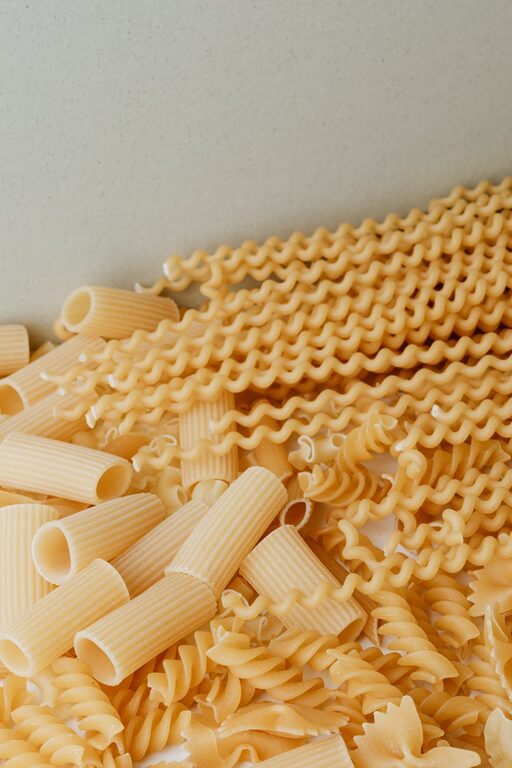
Planning meals from pantry staples is a smart way to make cooking easier, reduce waste, and save money. Your pantry often holds a variety of ingredients that can form the base of many tasty dishes. With a little organization and creativity, you can turn these essentials into satisfying meals any day of the week.
Why Use Pantry Staples for Meal Planning?
Pantry staples are non-perishable items like grains, canned goods, dried beans, and spices. Since they last a long time, having them on hand helps you avoid last-minute trips to the store. Plus, they provide a foundation for a wide range of meals, from simple snacks to full dinners.
Using pantry staples encourages flexibility. When fresh produce or meats aren’t available, these ingredients ensure you can still prepare something wholesome and filling.
Step 1: Take Inventory of Your Pantry
Before planning your meals, it’s important to know exactly what you have. Set aside some time to:
– Empty your pantry shelves.
– Group similar items together (pasta, canned vegetables, grains, spices).
– Check expiration dates and discard any expired products.
– Make a list of everything currently stocked.
This inventory will be your reference for meal ideas and grocery shopping.
Step 2: Identify Key Pantry Staples
Some pantry staples are especially versatile. These include:
– Grains: Rice, quinoa, pasta, oats
– Legumes: Canned or dried beans, lentils, chickpeas
– Canned goods: Tomatoes, broth, coconut milk, vegetables
– Baking ingredients: Flour, sugar, baking powder
– Oils and Vinegars: Olive oil, vegetable oil, balsamic vinegar
– Spices and Herbs: Salt, pepper, paprika, cumin, oregano, garlic powder
Having these basics makes it easier to mix and match ingredients to create meals.
Step 3: Plan Balanced Meals Around Staples
A good meal is balanced, ideally including protein, carbohydrates, and vegetables. Here’s how to approach meal planning using pantry staples:
Protein
If you don’t have fresh meat or fish, pantry proteins like beans, lentils, canned tuna, or peanut butter are great options.
Carbohydrates
Grains such as rice or pasta provide energy and will fill you up. Combining these with legumes adds nutritional value.
Vegetables and Flavor
Use canned tomatoes, frozen vegetables, or seasoning to add color, taste, and nutrients.
Example meal ideas:
– Chickpea curry: Canned chickpeas cooked with canned tomatoes, coconut milk, and curry spices; served over rice.
– Pasta primavera: Pasta tossed with canned mixed vegetables and olive oil, seasoned with garlic and herbs.
– Lentil soup: Lentils simmered with broth, canned tomatoes, and spices for a comforting dish.
Step 4: Use Online Resources and Apps
Many websites and apps allow you to enter pantry ingredients and suggest recipes that match. This can help generate ideas when you feel stuck. Some popular options include Allrecipes’ Pantry Search or SuperCook.
Step 5: Prepare a Weekly Meal Plan
With your inventory and recipe ideas in hand, create a simple weekly meal plan. Writing down meals helps you:
– Avoid last-minute decisions
– Shop efficiently (if you need fresh ingredients)
– Cook with less stress
Include at least one or two meals fully based on pantry items, and plan to add fresh or frozen produce when available.
Step 6: Batch Cook and Store Leftovers
When time allows, cooking larger batches of pantry-based meals means you have ready-to-eat options later in the week. Store leftovers in airtight containers in the fridge or freezer for convenience.
Extra Tips for Pantry Meal Success
– Rotate pantry items: Use older products first to reduce waste.
– Keep basics stocked: Regularly replenish popular staples.
– Label your pantry: Clear organization makes it easy to find what you need.
– Experiment: Don’t be afraid to try new combinations or cuisines using your staples.
– Add fresh touches: Even simple fresh herbs or a squeeze of lemon can brighten pantry-made meals.
Conclusion
Planning meals from pantry staples is a practical approach to simplify your cooking routine. It helps reduce stress, minimizes waste, and encourages creativity in the kitchen. By knowing what you have, choosing balanced recipes, and organizing your pantry, you can enjoy easy, nourishing meals any day. Start small, build your staple collection, and watch your confidence in pantry cooking grow!